Material-driven Green Innovation From Battery Manufacturing to Recycling
Eco-Upgrades for Conventional Manufacturing
The first problem of conventional battery manufacturing is the use of PVdF binder, which has toxic PFAS Forever Chemicals in its supply chain and is difficult recyclable.
The second problem is dependence on NMP – a hazardous high carbon footprint solvent that is expensive to handle.
GRST solves both these problems.
We've created novel, PFAS-free binding materials that are not only compatible with conventional NMP but are also designed for use with green solvents, including water. This breakthrough allows battery producers to immediately reduce their environmental impact and operational costs while transitioning their current NMP-based infrastructure to a safer, more sustainable process.
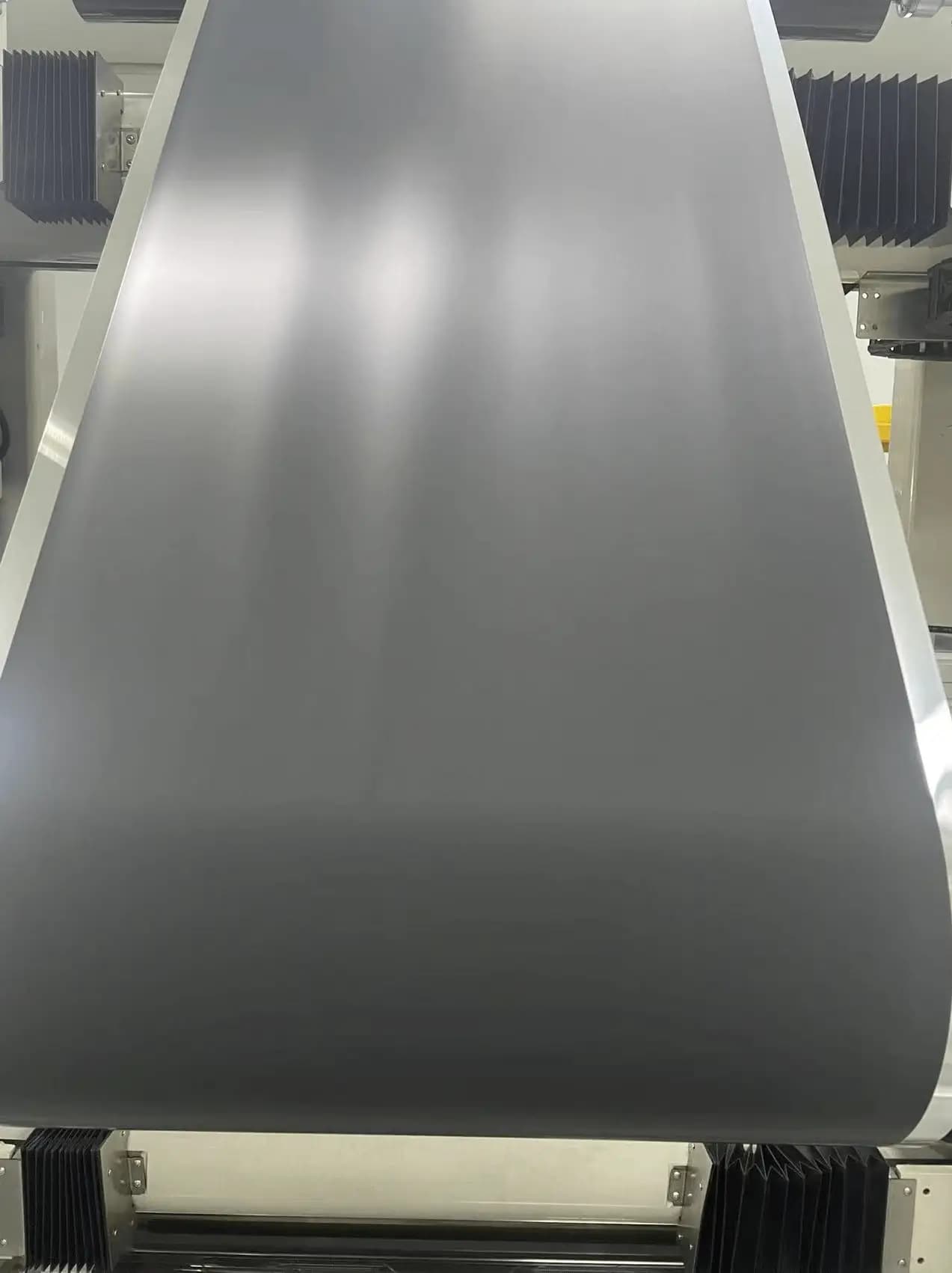
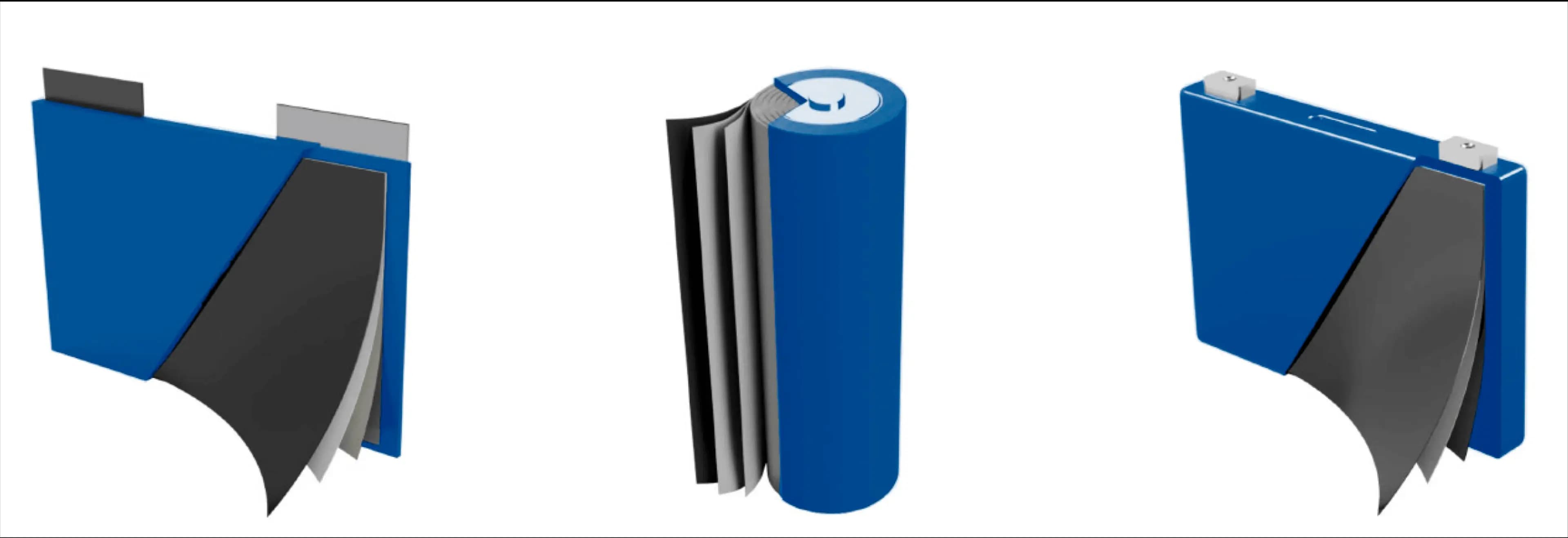
Adaptable to Different Use Cases and Customer Requirements
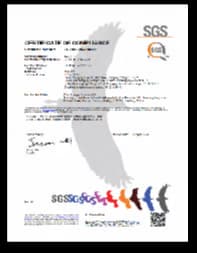
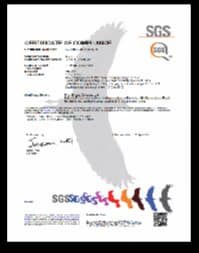
UL 1973
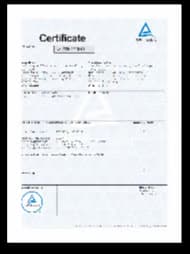
UL 2580
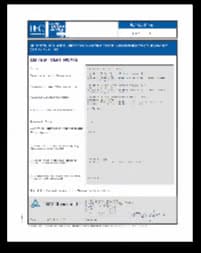
UL 1642
IEC62619
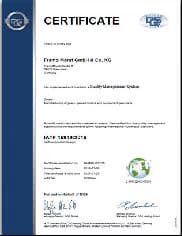
IATF 16949
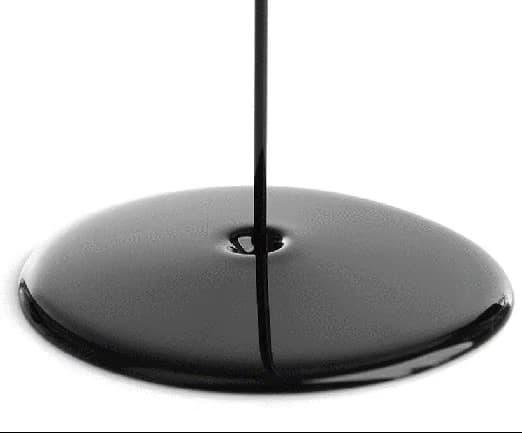
Comparison with Conventional PVdF + NMP
| Factor | NMP | DMSO (Green Solvent) | Water |
|---|---|---|---|
| CO2e (Kg/kg) | ~5-10 | ~3-6 | 0 |
| Source | Petrochemical | Biobased/Petrochemical | Source |
| Toxicity | Higher(Reprotoxic) | Lower(less regulated) | Toxicity |
| Regulatory Status | Restricted (EU REACH) | Less regulated | Non-hazardous |
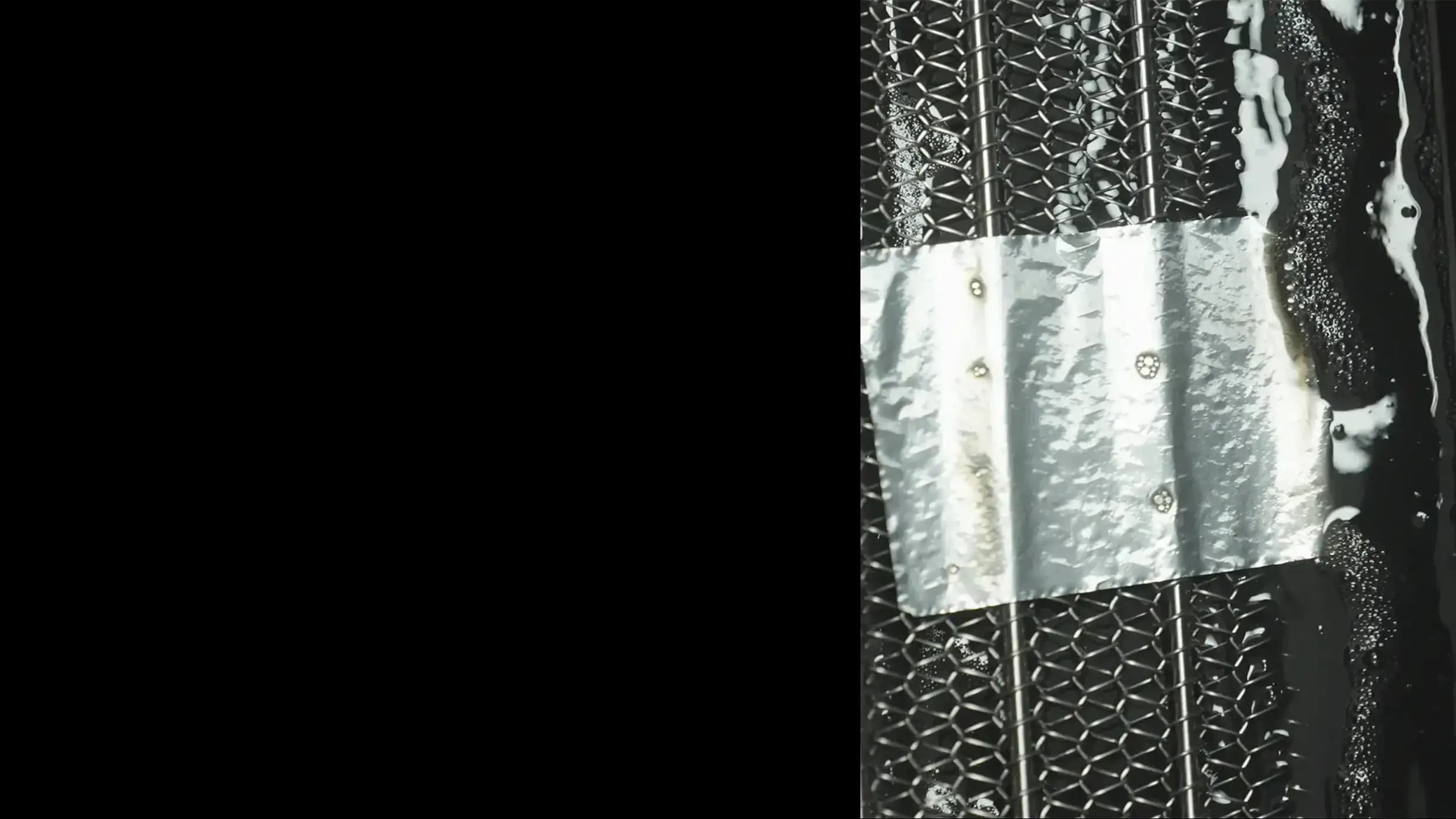
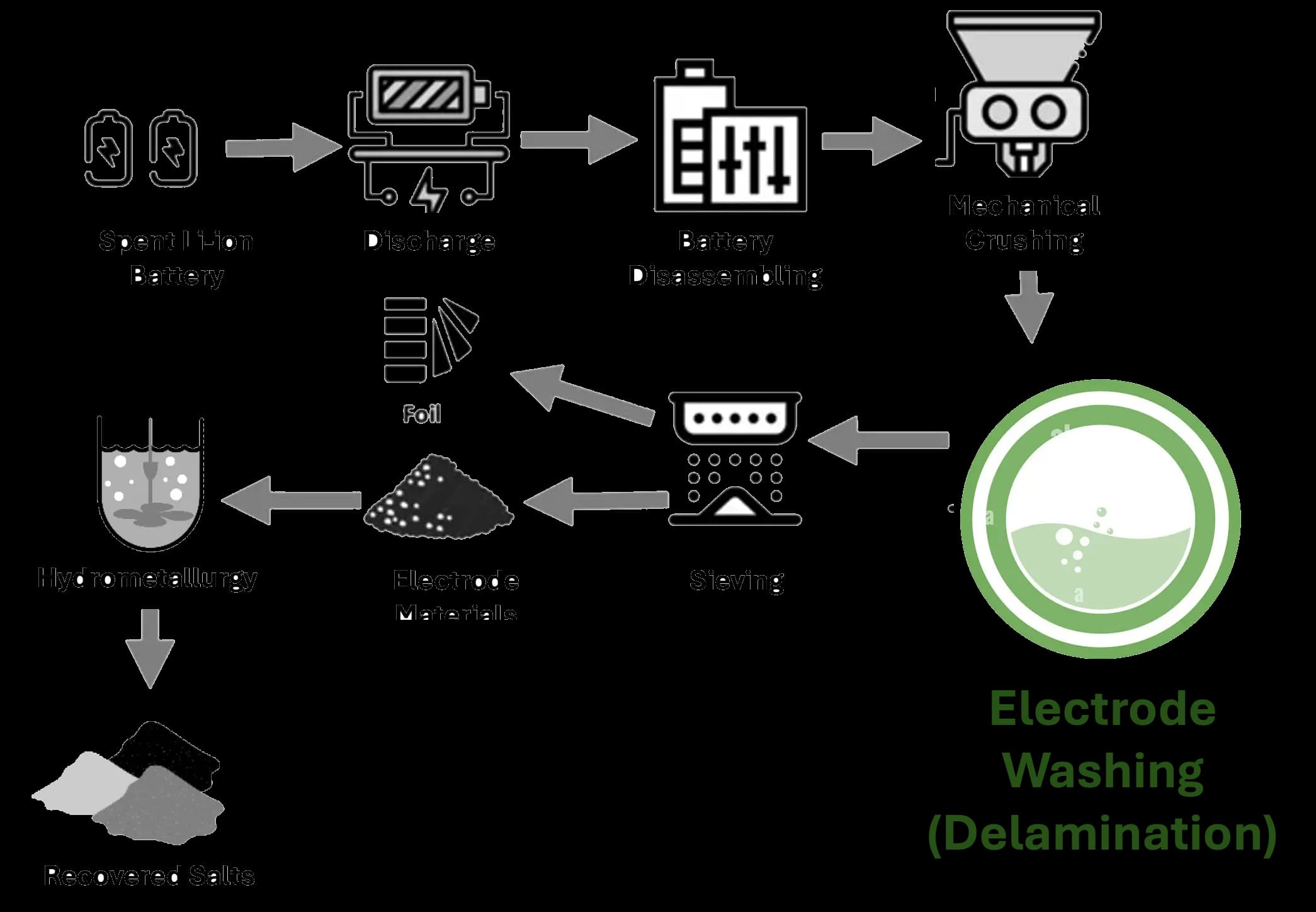
Recycling Batteries With Water
While traditional battery recycling pollutes with toxic emissions and consumes vast amounts of energy, GRST has reimagined the process from the ground up. Our solution uses a simple water-based process to delaminate and separate battery materials through filtration.
The result is a cheaper, cleaner, and more efficient way to recover high-purity materials, setting a new standard for sustainable recycling.
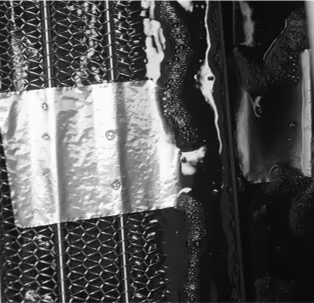
Adaptable to the Conventional Recycling Facilities
The result is a cheaper, cleaner, and more efficient way to recover high-purity materials, setting a new standard for sustainable recycling.
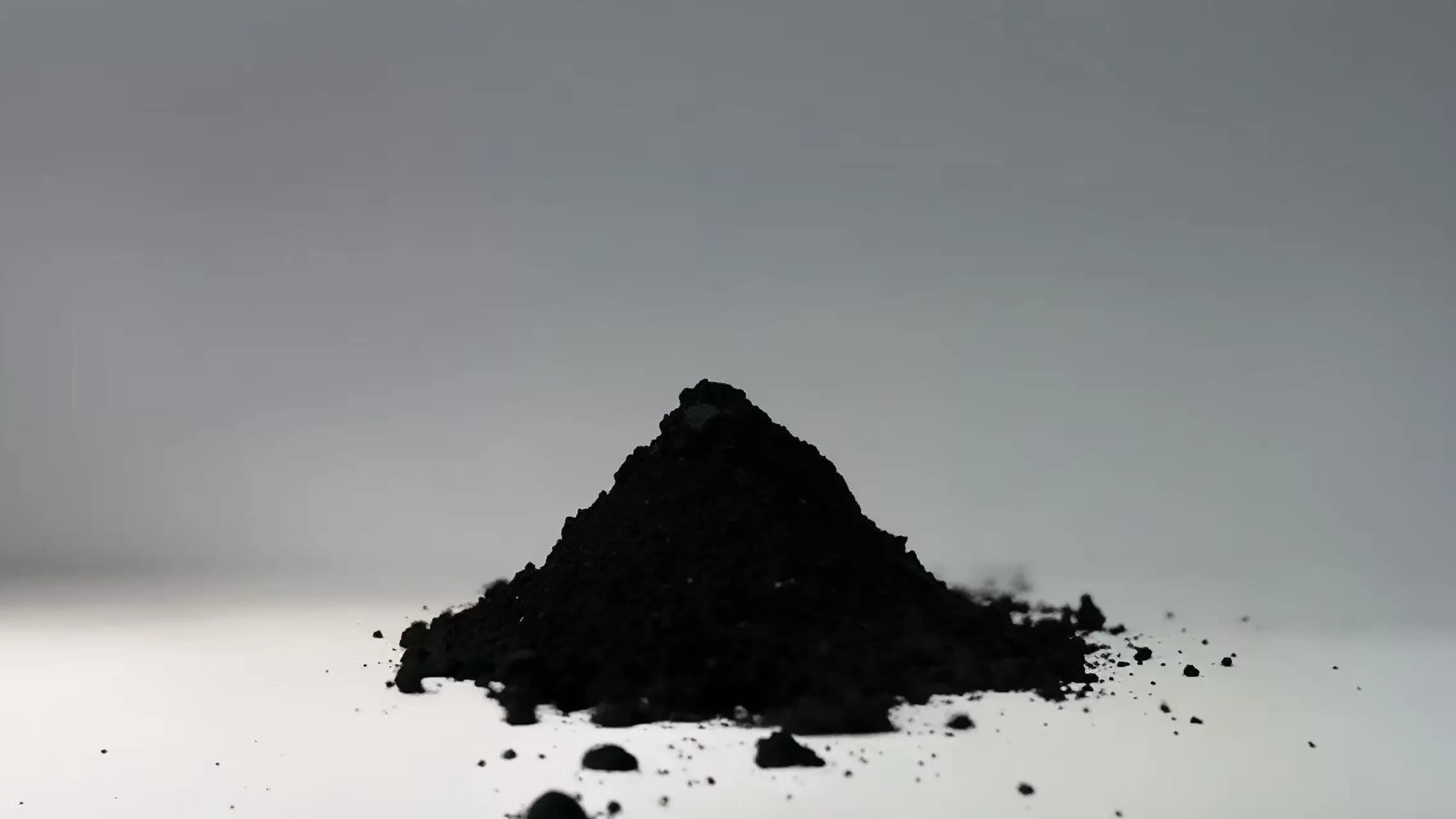
Remark: PVDF presence in the “Black Mass” could be removed by Thermal Treatment (Pyrolysis) over 450°C. However, high energy cost & release toxic gases in thermal treatment.

Comparison with Conventional Recycling
| Factor | GRST (Water-based Delamination) | Conventional (Mechanical + Thermal Treatment) |
|---|---|---|
| Methods to Separate Binders from Black Mass | Physical Separation in Water | Thermal Decomposition of PVdF (PFAS) binder |
| Processing Conditions (Temperature) | Low(Room temperature) | High(500-600℃) |
| Waste Handling Costs | Low(Mainly water-waste treatment) | High(High temperature furnace, toxic gas collection & treatment, water-waste treatment) |
| Material Separation Effectiveness(Metal Foils and Black Mass) | High | Low |
| Purity of Recovered Materials(Metal Foils and Black Mass) | High | Low |
Connect with us
Contact Usgrst
grst